
THE GOOD CATCH BLOG
Salt Air and Saltwater: Plumbing Tips for Coastal Homes
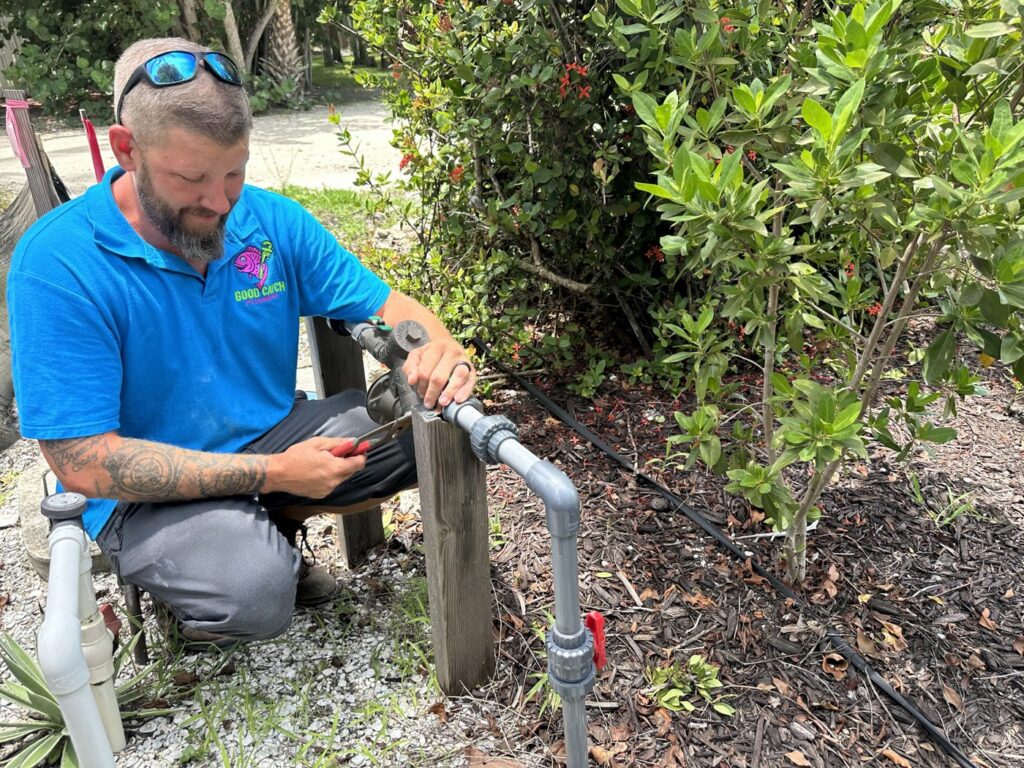
Living near the water is part of what makes Sanibel and Southwest Florida special. It also means exposed plumbing deserves a little extra attention. Salt air, direct seawater exposure, and minerals in your tap water are different issues, with different solutions.
What should coastal homeowners watch for?
- Salt air and moisture. Salt deposits can speed corrosion on exposed metal, including equipment housings, fasteners, and outdoor plumbing components. Look for flaking, pitting, rusty surfaces, or recurring drips.
- Saltwater flooding. Storm surge can damage plumbing equipment and contaminate a water system. If any part of a water heater has been underwater, do not restart it. Call for professional evaluation; flood-exposed water heaters generally require replacement.
- Changes in your water. Living near the Gulf does not automatically mean seawater is inside your pipes. Report sudden changes in taste, odor, or color to your water utility and follow any drinking-water advisory. Testing helps identify the problem before choosing treatment.
A few smart habits
- Check exposed connections. Include outdoor faucets, valves, and the area around your water heater in a regular visual check. Have corrosion and leaks assessed before they get worse.
- Keep equipment accessible. Leave manufacturer-required clearances around water heaters. Ask a plumber about suitable materials and placement when replacing outdoor equipment.
- Choose treatment for the actual issue. A standard sediment filter does not remove dissolved salt. Water testing and your equipment requirements should guide any treatment recommendation.
Have a coastal plumbing concern?
Good Catch Plumbing is based on Sanibel Island and serves homes across our Southwest Florida service areas. We can assess visible corrosion, investigate leaks, and help you plan repairs. Call (239) 246-3747 or request plumbing service.
Learn more: FEMA coastal corrosion guidance and A. O. Smith flood-damaged water heater guidance.