
Leak Detection & Repair
Find and fix hidden leaks before they cause damage.
Coastal-grade work, done right.
A small leak can quietly drive up your water bill and rot your home from the inside long before you see a stain. We use non-invasive acoustic and thermal detection to pinpoint the source — including slab leaks and underground lines — so we can open up only what we have to and repair it right the first time. Catching a leak early is one of the cheapest repairs you'll ever make; ignoring one is one of the most expensive.
A hidden leak rarely announces itself. By the time you notice a stain on the ceiling or feel a warm patch underfoot, water may have been moving through your walls, slab, or ceiling for weeks. In Southwest Florida that damage compounds fast: constant humidity feeds mold, and a slow leak inside a slab-on-grade home can rot subfloor and swell drywall long before anyone catches it.
Good Catch Plumbing locates leaks with electronic and acoustic equipment that pinpoints the source instead of guessing and cutting. We trace supply-line leaks, slab leaks, drain-line breaks, and the pinhole failures that plague copper pipe in our hard-water region. Then we repair what we find and confirm the fix is holding before we leave your home.
Signs You Have a Hidden Leak
Your water bill jumped without explanation
A sudden spike with no change in how you use water usually means water is escaping somewhere you can't see. It is often the first clue of a hidden supply-line or slab leak.
A warm or damp spot on the floor
In a slab home, a hot-water line leaking under the concrete can warm the tile or flooring above it. A patch that stays damp is another sign water is coming up from below.
Running water you can hear with everything off
If you hear a faint hiss or trickle when every faucet, toilet, and appliance is shut off, a pressurized line is likely leaking behind a wall or under the slab.
A musty smell, mildew, or mold
In our humidity, a hidden leak feeds mold quickly. A persistent musty odor or new mildew, especially inside a cabinet or along a baseboard, often points to moisture where it should not be.
Water pressure has dropped off
A leak on a supply line can rob pressure from your fixtures. If flow has fallen across the whole house, water may be escaping before it ever reaches the tap.
Ceiling stains or bubbling paint
Brown rings, sagging drywall, or paint that blisters usually mean water is tracking above or behind the surface, from a supply line, a drain, or plumbing near the roofline.
What's included
- Non-invasive electronic leak location
- Slab & underground leak detection
- Pipe repair and rerouting
- Moisture and water-damage assessment
How Good Catch Finds and Fixes Hidden Leaks
Finding a hidden leak is detective work, and guessing wrong means unnecessary holes in your walls and floors. We start by confirming a leak actually exists and narrowing down where it lives, often with a pressure test to see whether your plumbing holds. From there we bring in the right tool for the job instead of cutting blindly.
How we locate the leak
- Acoustic listening equipment that picks up the sound of water escaping a pressurized line, even under a concrete slab.
- Thermal imaging that reveals the temperature difference where a hot-water line is leaking behind drywall or under flooring.
- Moisture meters to map how far the water has already spread.
- Video camera inspection to look inside drain and sewer lines for cracks, separated joints, or root intrusion.
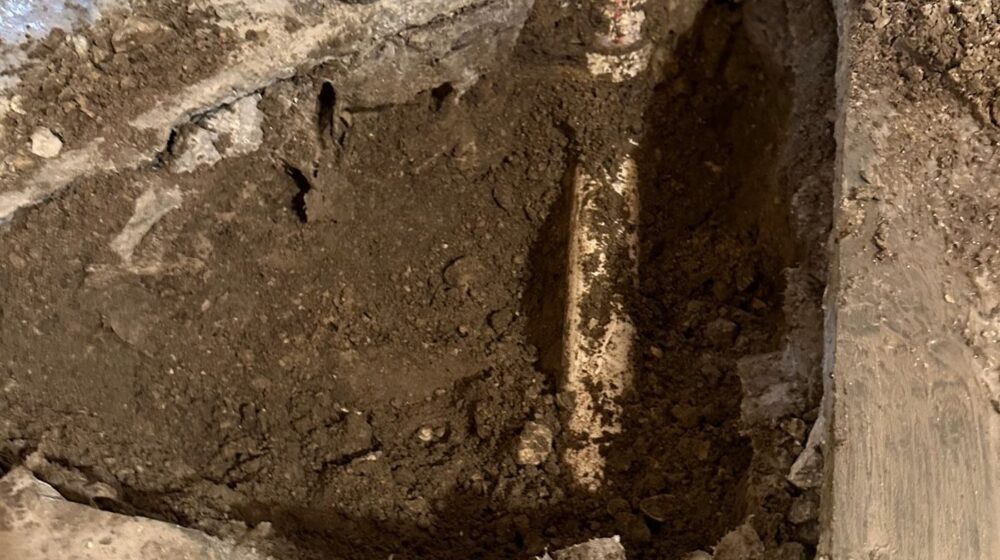
Once we have the leak located, we walk you through what we found and your repair options before we open anything up. A pinhole leak on an accessible copper line may be a straightforward section replacement. A slab leak can often be handled by rerouting the affected line or accessing it through the concrete, and we lay out the honest trade-offs so you can decide.
Why Southwest Florida homes leak
Our water chemistry is tough on plumbing. Hard, mineral-heavy water works on copper from the inside while salt air corrodes fittings from the outside, which is why pinhole leaks are so common here. Slab-on-grade construction means many supply lines run through or beneath concrete, where a small leak can hide for a long time. Older neighborhoods still have cast-iron drain lines that crack and leak underground. And in snowbird and seasonal homes that sit empty for months, a slow leak can run all summer, driving up the bill and feeding mold before anyone walks back through the door.
How it works
-
1
Call or Book
Reach a real person and tell us what’s going on. We’ll schedule a time that works for you.
-
2
Diagnose & Quote
We inspect, explain the real issue in plain language, and give you an upfront price.
-
3
Fix It Right
We do the work cleanly, test it, and stand behind it with our guarantee.
Why choose Good Catch
Non-invasive leak location
We pinpoint leaks with electronic, acoustic, and thermal tools instead of guessing, so any opening we make in your home stays as small as possible.
Licensed Florida contractor
Florida Certified Plumbing Contractor, license #CFC1434636. Licensed and insured for the work we do in your home.
Coastal leak expertise
We understand how hard water, salt air, and slab construction cause leaks in Sanibel and across Southwest Florida.
We stand behind the fix
Honest, upfront pricing and a workmanship guarantee. We retest and confirm the leak is gone before we call the job done.
Questions
Questions about Leak Detection & Repair
Can you find a leak without tearing up my walls or floors?
How do I know if I have a slab leak?
My home sits empty in the off-season. How do I keep a leak from running for months?
Why do the copper pipes in my house keep springing pinhole leaks?
Do you repair the leak, or only locate it?
What areas do you serve for leak detection?
Ready to book your service?
Call us or request a visit — we serve all of Southwest Florida, 7 days a week.